Plywood is a common building material widely used in various projects from residential homes to large industrial constructions. However, a common issue when using plywood is water leakage, which not only reduces its durability but can also cause serious consequences for the entire structure. Therefore, understanding and applying effective methods to waterproof plywood is essential.
Definition of plywood
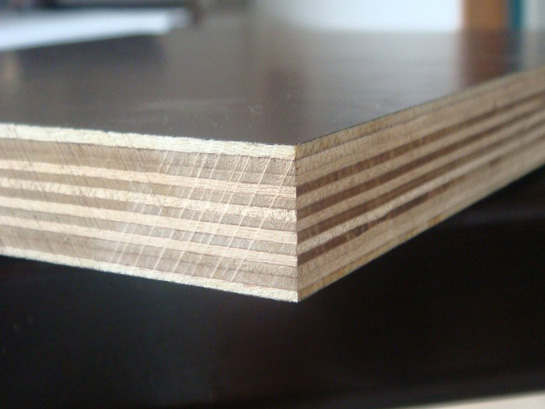
Plywood is a type of artificial construction material formed by pressing thin layers of wood together under high pressure and temperature. The plywood manufacturing process typically uses adhesive to bond the wood layers together, creating a strong and durable material. This combination not only increases durability but also makes plywood versatile, suitable for various uses.
Plywood production process
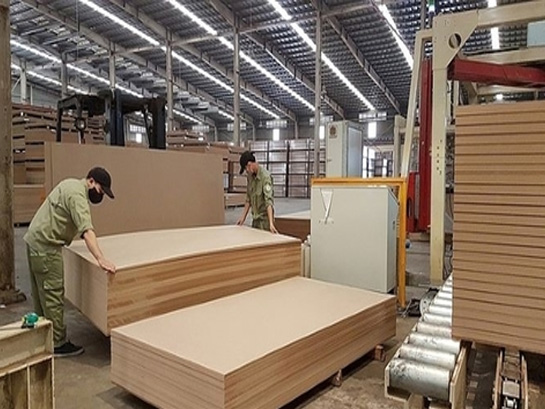
The plywood production process begins by peeling thin sheets of wood from logs, which are then dried and chemically treated to enhance durability and resist insects. Once the wood sheets are ready, they are stacked with adhesive layers in between. The wood layers are usually arranged so that the wood fibers are perpendicular to each other, creating a structure with good load-bearing capacity. These wood sheets are then pressed under high temperature and pressure, allowing the adhesive to dry and tightly bond the wood layers together.
Applications of plywood
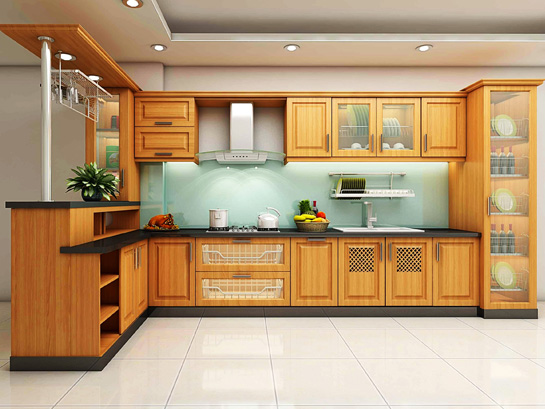
Plywood is widely used in various fields. In construction, plywood is often used as material for floors, walls, and ceilings due to its durability and excellent load-bearing capacity. Plywood is also popular in furniture production such as tables, chairs, cabinets, and bookshelves, thanks to its ease of cutting and shaping according to design requirements. Additionally, plywood is used in the production of household items such as kitchen cabinets, doors, and even interior decoration materials.
Benefits of using plywood
Using plywood offers several practical benefits. Firstly, plywood has better resistance to warping and cracking compared to natural wood due to its layered structure, which disperses impact forces evenly. Secondly, plywood is less expensive than natural wood, reducing production and construction costs. Finally, plywood is more environmentally friendly because its production utilizes small or non-standard wood sizes that would otherwise be wasted.
Common types of plywood on the market today
1. Particle board (Chipboard)
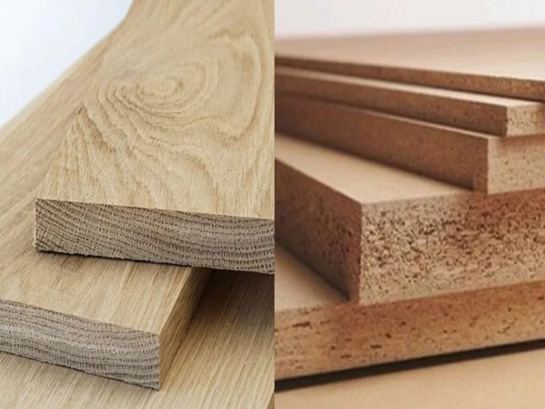
Particle board is an industrial wood product primarily made from sawdust, wood chips, bark, or small wood pieces mixed with adhesive and pressed under high pressure to form boards. Particle board is inexpensive and easy to manufacture but has low water resistance and durability, making it suitable for interior applications that do not require high durability or exposure to water.
2. Plywood
Plywood is a type of plywood produced by bonding multiple thin layers of wood together with waterproof adhesive and pressing them tightly using a press machine. The number of wood layers can range from 3 to 13, depending on the intended use and thickness of the plywood. Plywood has high mechanical strength, good load-bearing capacity, and is resistant to warping and cracking. It is commonly used in construction, furniture manufacturing, and interior decoration.
3. Medium density fiberboard (MDF)
MDF is produced by pressing wood fibers and small wood particles together with adhesive. MDF has medium density, usually ranging from 3mm to 25mm in thickness, and has a very smooth and flat surface, making it ideal for painting and creating smooth surfaces. MDF is commonly used in furniture production, shelves, and interior decoration applications.
4. High-density fiberboard (HDF)
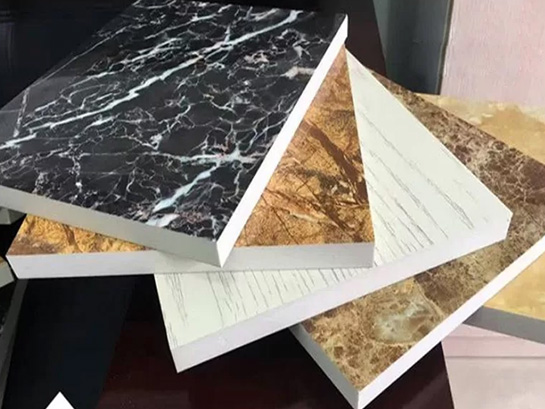
HDF is made from long and small wood fibers pressed together with adhesive and high temperature to create a product with high density and hardness. HDF has higher density than MDF and good load-bearing capacity. It is often used for flooring, partitions, barriers, cabinets, chairs, moldings, decorative panels, and interior decorative plywood.
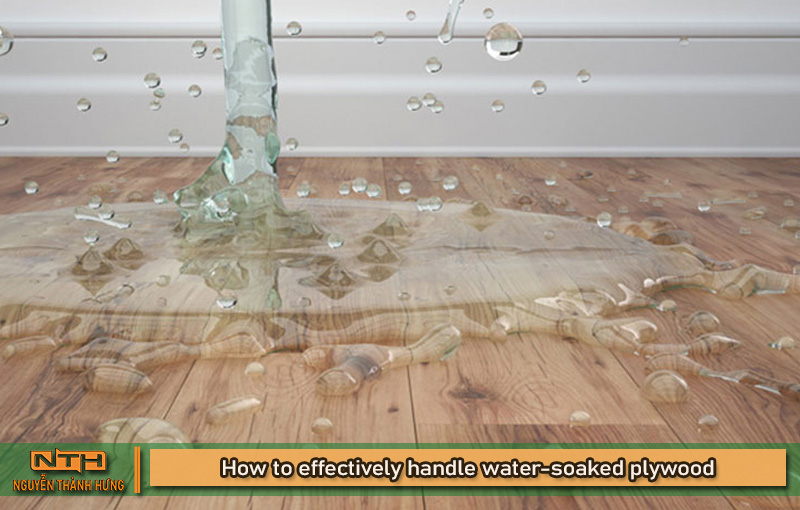
With the diverse and abundant types of plywood available today, plywood has become an important and popular construction material in daily life. Each type of plywood has its own characteristics, suitable for various uses. However, one of the biggest issues users face is the water resistance of plywood. When plywood absorbs water, it can swell, lose its initial mechanical properties, and lead to structural damage. This can cause many problems and undesirable consequences.
Common causes of plywood water damage
Plywood is a common material in construction and furniture, but one of the major issues users face is water damage. This not only reduces the lifespan of plywood but also affects the aesthetics and quality of structures. Below are the main reasons for plywood water damage:
1. Using regular plywood instead of water-resistant plywood
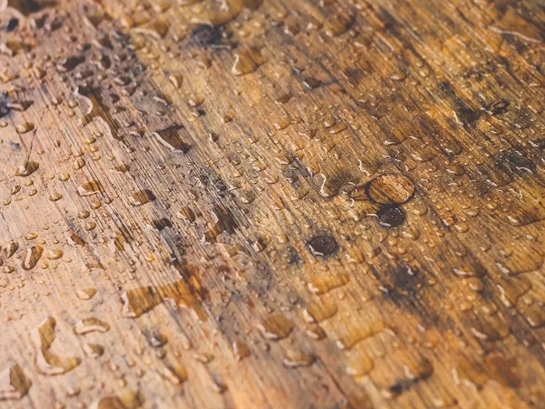
Regular plywood is not designed to withstand water and lacks effective waterproofing. When exposed to water, regular plywood easily absorbs it, leading to issues like warping, swelling, discoloration, and decay.
2. Incorrect installation processes
Incorrect cutting, drilling, or inadequate use of strong waterproof adhesives during installation can create gaps on the plywood surface, allowing water to seep inside.
3. Use in moist or wet environments
If plywood is used in high humidity areas or exposed to water frequently, it quickly becomes susceptible to water damage. This often occurs when plywood is used outdoors for flooring, walls, roofs, doors, and staircases.
Effects of plywood water damage
When plywood absorbs water, the consequences can be severe, impacting both aesthetics and structural integrity:
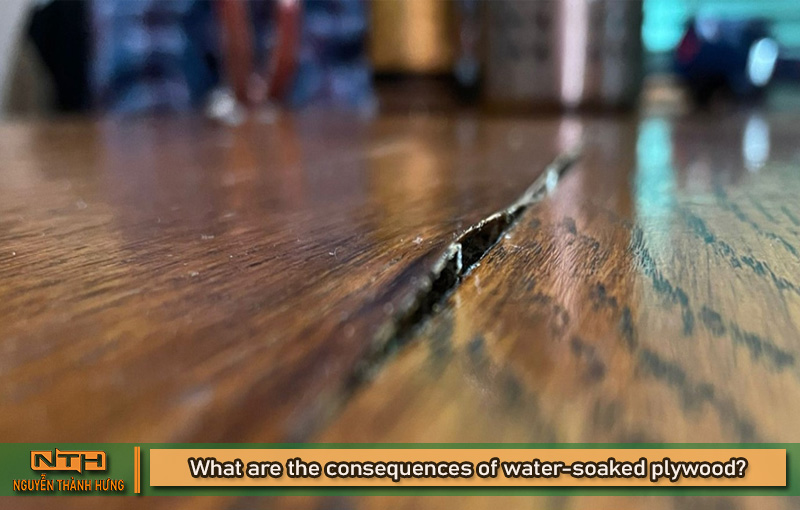
1. Swelling and cracking
Water absorption causes plywood to swell, leading to cracks and fissures on its surface. This not only affects aesthetics but also compromises the structure's stability and durability.
2. Discoloration and decay
Water can change the color and quality of plywood, making it appear dark or even causing it to rot. This diminishes its aesthetic appeal and reduces its lifespan, weakening the material.
3. Mechanical strength and durability
One of the most serious consequences of water-damaged plywood is reduced mechanical strength and durability. Especially when used outdoors, water can cause plywood to swell, corrode, and become unsafe.
4. Termite infestation
Water creates an ideal environment for termites, which can seriously damage wooden materials from the inside out. Controlling termite damage requires complex measures and can be costly.
5. Health concerns
Water-damaged plywood can promote mold and bacteria growth, especially hazardous when used indoors and in direct contact with users. Mold and bacteria can lead to respiratory issues, allergies, and other health problems, particularly dangerous for children and the elderly.
Effective ways to handle water-damaged plywood
To minimize plywood water damage, consider implementing these measures:
1. Use water-resistant plywood
Choose plywood specifically designed to resist water for applications requiring durability and waterproofing, such as bathrooms, kitchens, or rooftops.
2. Apply protective coatings
During production, apply waterproof coatings like waterproof paint, sealant oils, or waterproof putty to enhance plywood's water resistance and durability.
3. Follow correct installation procedures
Ensure plywood is installed correctly using appropriate spacing, adhesive materials, and installation techniques to prevent water infiltration.
4. Proper maintenance and preservation
After installation, proper maintenance and preservation are crucial to maintaining plywood's waterproofing effectiveness and durability. Regular cleaning, additional protective coatings, and termite-resistant treatments help protect plywood from environmental damage.
5. Use additional waterproofing materials
In addition to water-resistant plywood, consider using supplementary waterproofing materials like waterproof membranes, cementitious waterproofing compounds, or rubber sheets to comprehensively protect your structure.
»» Conclusion: Implementing these measures not only helps reduce plywood water damage but also enhances the efficiency and durability of plywood in construction applications. Only when these steps are carefully and thoroughly followed can users ensure the safety and aesthetics of their structures throughout their lifespan.
Quick fixes for swollen plywood
When dealing with swollen plywood, consider these methods depending on the severity and location of the issue:
1. Use sanding machines for surface polishing
A common method to minimize swelling on plywood is to use sanding machines to polish the surface. This reduces the thickness of the swollen plywood layer and creates a smoother surface, improving aesthetic appeal and usability.
2. Trimming the swollen area
For plywood with specific localized swelling, another solution is to trim away the affected areas using specialized cutting tools. This removes the impacted areas while retaining the rest of the plywood. However, this method may not be suitable for extensive or severe swelling.
3. Replacing with new plywood
In more severe cases where plywood has extensive swelling that cannot be remedied, replacing it with new plywood is the most effective solution. This requires significant investment in cost and time but ensures sustainable quality and longevity for your construction projects.
»» Summary: Dealing with swollen plywood requires careful analysis and choosing the appropriate method based on the specific condition of the plywood. Depending on the situation, different solutions ensure the material's properties and usefulness in construction and furniture applications.