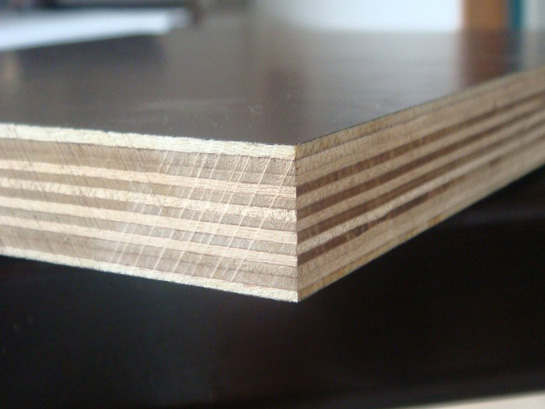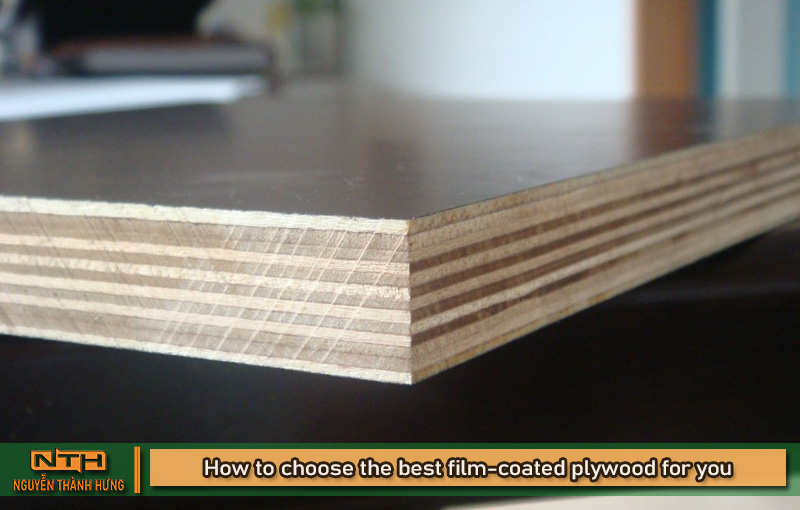
What is film-faced plywood?
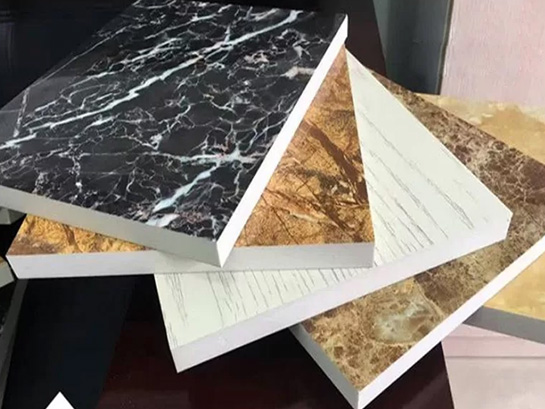
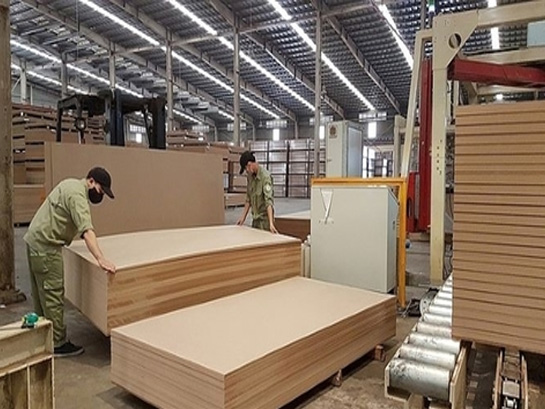
Film-faced plywood is an industrial plywood produced by pressing multiple layers of wood with waterproof glue and coating it with a durable film. The typical production process includes arranging and pressing wood layers with waterproof glue, then applying an abrasion-resistant and water-resistant plastic film on the exterior surface.
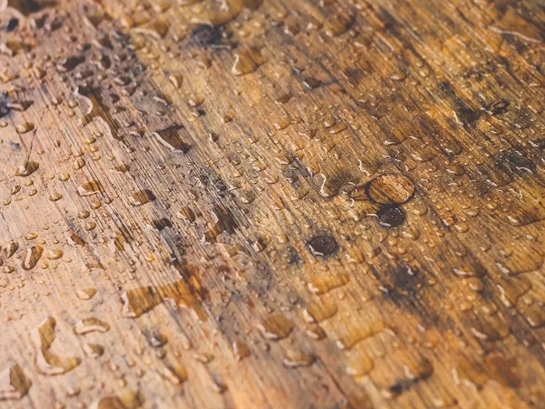
Film-faced plywood is widely used in the construction industry due to its strength and good moisture resistance. The structure of multiple wood layers combined with waterproof glue helps the plywood resist warping and deformation in humid environments. The outer film not only protects the plywood surface but also increases the product's durability and lifespan, allowing it to withstand wear and impact during use.
The applications of film-faced plywood are diverse, ranging from flooring, columns, and braces to industrial and commercial construction uses. Its flexibility and high moisture resistance and strength make this type of plywood a popular choice in construction projects requiring high durability and reliability.
How to test the quality of film-faced plywood
To ensure you choose high-quality film-faced plywood, you can apply the following methods to test and evaluate it:
1. Check the quality of the plywood core
• Method: Cut the plywood to assess the density and structure of the core.
• Purpose: Evaluate the uniformity and quality of the core, ensuring the final product's solidity and durability.
2. Check the quality of the glue
• Method: Boil the plywood in water to see if the wood layers and film separate.
• Purpose: Evaluate the durability of the film coating and the bond between the plywood layers under high temperatures, ensuring the glue's quality and the product's stability in use.
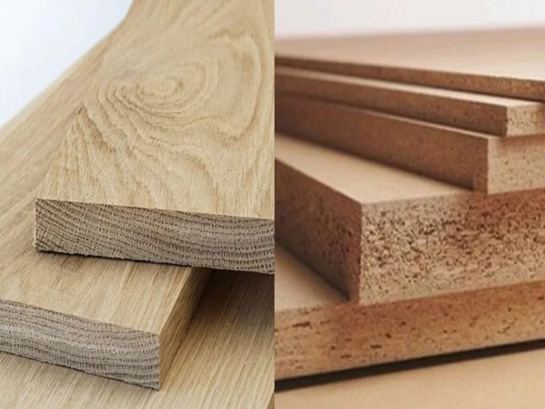
3. Distinguish between hardwood and softwood
• Method: Use density and weight to distinguish hardwood from softwood.
• Purpose: Determine the type of wood used in producing film-faced plywood to ensure the material properties meet the usage requirements and technical standards.
These methods help consumers and manufacturers evaluate and select high-quality film-faced plywood, ensuring safety and effective use in construction and interior applications.
How to maintain film-faced plywood
To effectively maintain film-faced plywood and ensure its longevity, follow these principles:
1. Avoid strong impacts on the plywood
Impacts can damage or deform the film-coated surface of the plywood, reducing its durability and aesthetics.
2. Dry the plywood surface before storage
Ensure the plywood surface is completely dry before storage to prevent mold and moisture formation during storage.
3. Place the plywood on a flat surface to avoid warping
Place the plywood on a flat, solid surface to prevent warping or bending over time.
4. Clean the plywood after use and fill nail holes with putty
After use, clean the plywood surface to remove dirt and debris that may affect its quality. Additionally, if there are nail holes, fill them with putty to protect the surface and prevent oxidation. »» Note: Adhering to these principles will help maintain film-faced plywood better, increasing its lifespan and keeping it looking new for a long time.
Criteria for selecting film-faced plywood
When selecting film-faced plywood, important criteria to consider include:
1. Compliance with size and thickness standards
Ensure the film-faced plywood matches the required size and thickness for your project. These standards are usually clearly defined to meet specific requirements.
2. Check for surface and edge defects
Carefully inspect the plywood to detect and avoid purchasing products with defects such as dents, cracks, or uneven colors on the surface. The edges should also be checked to ensure they are not peeling or broken.
3. Check the quality of the glue
The glue quality determines the film-faced plywood's solidity and water resistance. Carefully check to ensure the glue used is of good quality, not loose, and ensures the product's stability.
»» In summary: These criteria will help you choose film-faced plywood with good quality and suitability for your construction projects.
Experience in choosing film-faced plywood
To select high-quality and best-value film-faced plywood, besides basic factors such as glue, core, and film surface, consider the following:
1. Pay attention to the plywood's size accuracy
This is important to ensure the film-faced plywood has accurate dimensions, not deviating from technical requirements. This affects installation and future use.
2. Consider production defects in the plywood
Defects like weak joints, cracks, or peeling film may occur during production. To avoid these issues, choose manufacturers with strict quality control processes and high-quality raw materials.
3. Choose reputable purchasing locations
Select reputable and experienced suppliers in this field to ensure product quality and good after-sales service. This helps you get support when needed and ensures the project's sustainability.
»» In summary: These tips help you choose the most suitable film-faced plywood for your construction projects, ensuring quality and high economic efficiency.