What is natural wood?
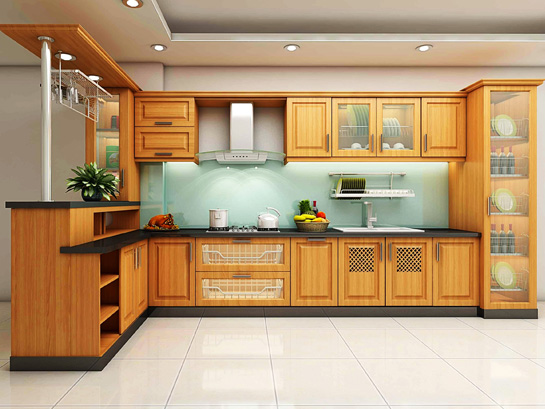
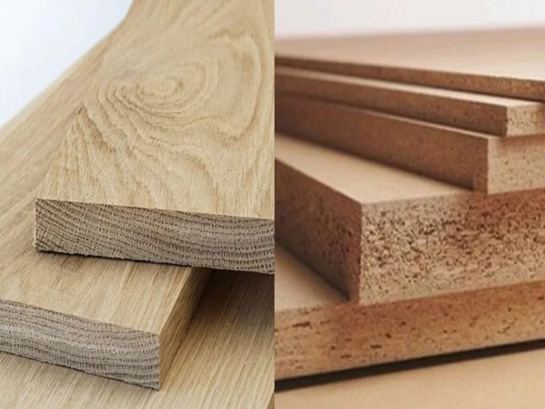
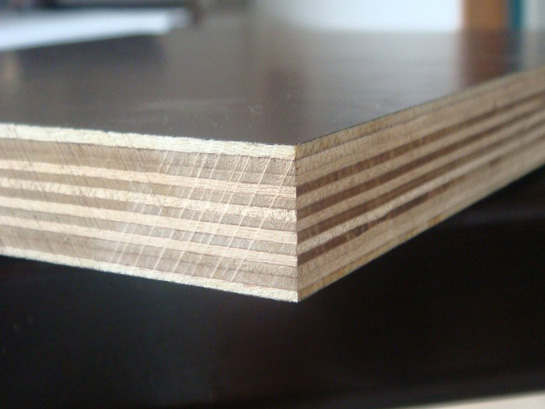
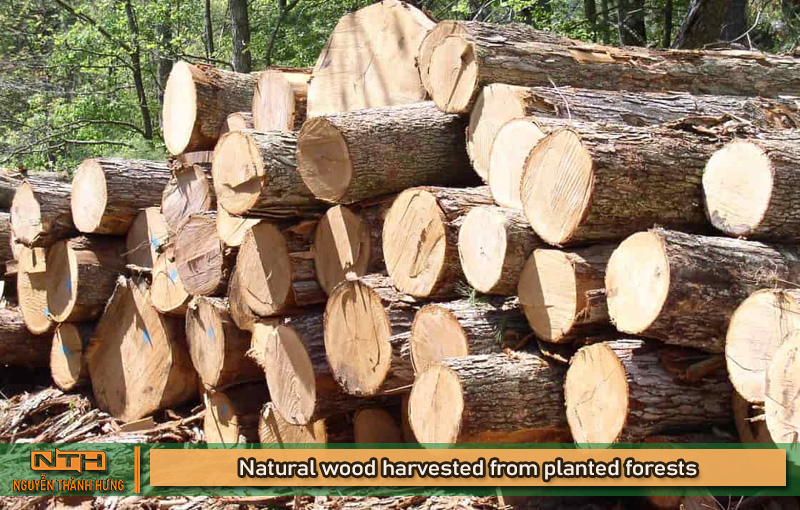
Natural wood refers to products made from pure wood, meaning wood that has not been processed or has only been minimally processed to retain its natural properties. Natural wood products are often made from types of wood like oak, pine, rubberwood, and other large trees. This is different from engineered wood products, which are made from composite panels, plywood, or other treated and shaped wood materials to meet specific size and shape requirements.
Advantages of natural wood
The advantages of natural wood are significant and include the following highlights:
1. Durability and strength
Natural wood, especially hardwoods, is highly durable and has good load-bearing capacity. This makes furniture made from natural wood long-lasting, often with a lifespan of 10 to 30 years, while maintaining stability and attractiveness.
2. Aesthetic and unique quality
Natural wood offers unmatched beauty with its natural grain patterns and diverse colors. It is a perfect choice for those who appreciate modern interior design while still wanting to retain the warmth and natural look of wood.
3. Customizability
Solid wood can be easily shaped and finished in various ways. This allows designers and consumers to create unique designs that fit their spaces and personal preferences.
4. High Value and Uniqueness
Solid wood furniture not only has high utility value but also higher aesthetic and financial value compared to products made from artificial materials like MDF. Especially with the increasing scarcity of natural wood and the ban on harvesting certain types, the value of natural wood is further elevated in the current market.
»» In summary: Choosing natural wood brings luxury and durability, and is an investment in a more sustainable and long-lasting living environment.
Disadvantages of natural wood
Some common disadvantages of natural wood include:
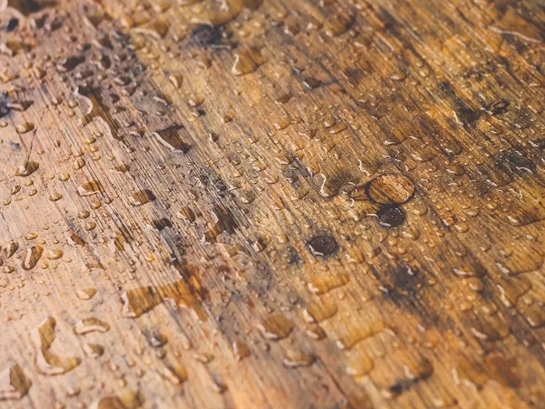
1. Damage from moisture
Natural wood is prone to damage from moisture when in an unfinished state. This means that wood has a relatively high capacity to absorb and release water as the surrounding environment changes. To protect the wood, using waterproof finishes is necessary to prevent moisture absorption and thus minimize damage risks.
2. Warping and cracking
Wood expands and contracts with changes in temperature and humidity, leading to warping and cracking. This can occur especially if the wood is not properly treated or maintained. To address this issue, manufacturers have applied technical methods and technologies to reduce the impact of weather changes on wood products.
3. Risk of termite damage
Natural wood, especially solid wood, is more susceptible to termite attacks compared to materials like MDF. This requires regular maintenance and the application of precise termite protection measures to protect the wood core and extend the product's lifespan.
»» Note: These disadvantages are factors that need to be considered when choosing to use natural wood in interior and architectural applications. Understanding and addressing these challenges will help consumers make smart decisions and optimize material choices for their projects.
What is MDF?
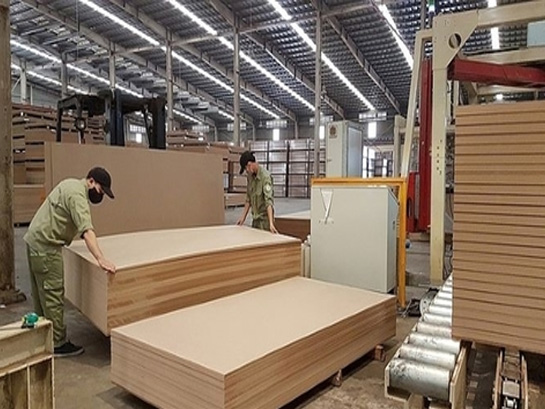
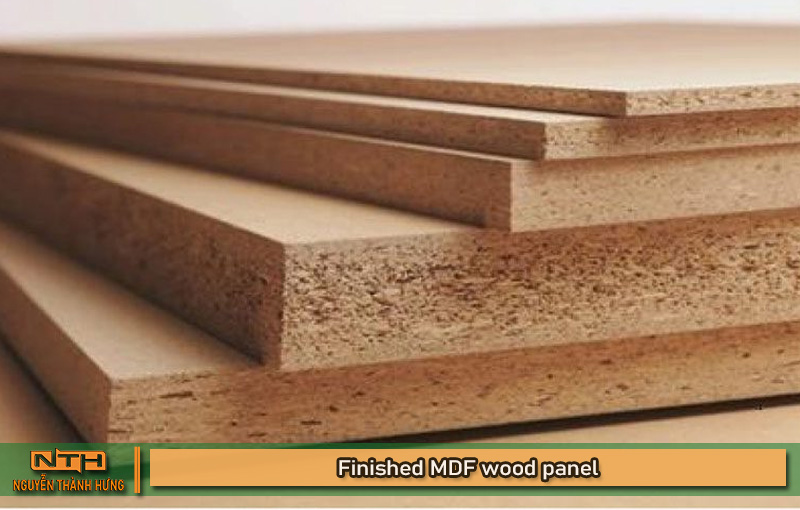
MDF stands for "Medium Density Fiberboard," which means medium-density fiberboard. This type of board is made from wood fibers and binding chemicals through high heat and pressure. MDF is widely used in furniture manufacturing, woodworking, and various construction applications due to its flat surface, ease of cutting, and workability.
What are the advantages of MDF?
MDF has several notable advantages, including:
1. Durability and stability
Although it cannot match the durability of natural wood, MDF is still quite strong and stable. Thanks to its dense structure, MDF does not warp or crack under temperature and humidity fluctuations, making it ideal for home furniture use.
2. Smooth surface and versatile designs
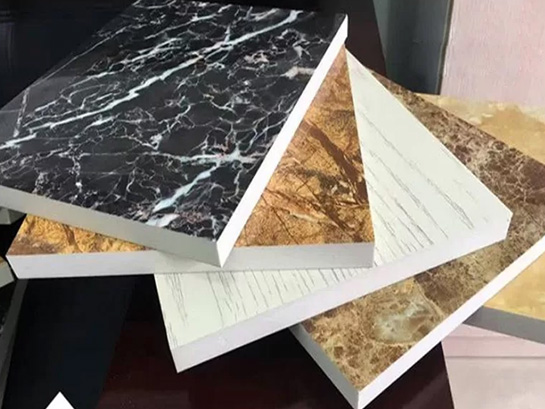
MDF has a smooth surface, making it easy to work with and available in a wide variety of designs. With hundreds of melamine, veneer, and wood grain paper options, MDF products can flexibly meet diverse design requirements.
3. Larger sizes and easy workability
MDF is produced in larger sizes than natural wood, making it easier to manufacture large, flat, and uniformly colored furniture pieces. This also helps save production time and costs due to the easy workability of MDF.
4. Moisture-resistant version (HMR)
The moisture-resistant version of MDF is ideal for high-humidity areas like bathrooms, where materials need to withstand environmental moisture without compromising their structure.
5. Reasonable cost
Compared to natural wood, MDF is less expensive but still ensures durability and long-term use if properly maintained. This makes MDF a cost-effective and efficient choice for many interior and construction applications.
What are the disadvantages of MDF?
Besides its outstanding advantages, MDF also has some basic limitations, including:
1. Surface damage cannot be repaired
This makes MDF quite vulnerable, as unlike natural wood, it cannot be sanded or repainted to remove scratches or damage. The MDF surface, when severely damaged, often cannot be effectively repaired.
2. Not water-resistant
MDF can absorb water and swell when exposed to water for extended periods. This can lead to severe damage at joints, such as cabinet doors, hinges, and rails, due to the decreased rigidity and endurance of MDF when wet.
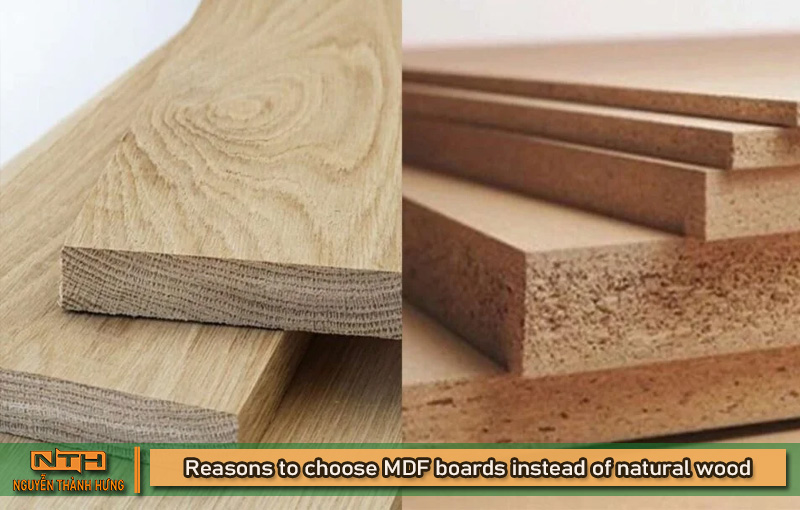
Why choose MDF over natural wood?
Choosing MDF over natural wood in furniture production today is not only because of its easy availability and reasonable cost but also due to the superior benefits MDF can provide.
1. Reasonable cost and sustainable development
Natural wood is becoming increasingly scarce and expensive to process, raising the cost of furniture products. Meanwhile, MDF is produced from plantation wood, a renewable resource, easy to process, and can be mass-produced, helping reduce production costs and maintaining the sustainability of the industry.
2. Stable quality and diverse designs
Although natural wood has natural beauty and sturdiness, with modern technology, MDF has been improved to have better moisture resistance and longer lifespan. Due to its flexible workability, MDF can be coated with surface layers such as veneer, laminate, melamine, which not only protect but also create many styles and choices for consumers.
3. Convenience in use and maintenance
MDF has a smooth surface and does not warp like natural wood when weather conditions change. This makes it easier to process and install while reducing durability and maintenance issues compared to natural wood, providing convenience and lower maintenance costs for users.
4. Aesthetic and customization
Although it does not have the natural beauty of solid wood, MDF is still highly appreciated for its aesthetics due to the customizable colors and patterns of the surface coatings. This allows designers and consumers to create diverse furniture products suitable for different living spaces and personal preferences.
»» In summary: Choosing MDF instead of natural wood is not just a trend but also a smart consideration based on the clear benefits it provides, from cost to aesthetics and convenience in use.