What is a faux stone aluminum composite panel?
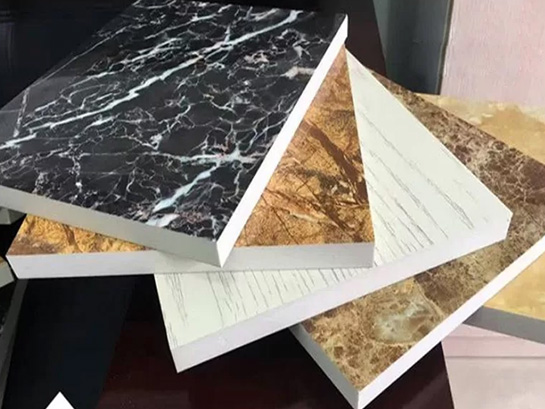
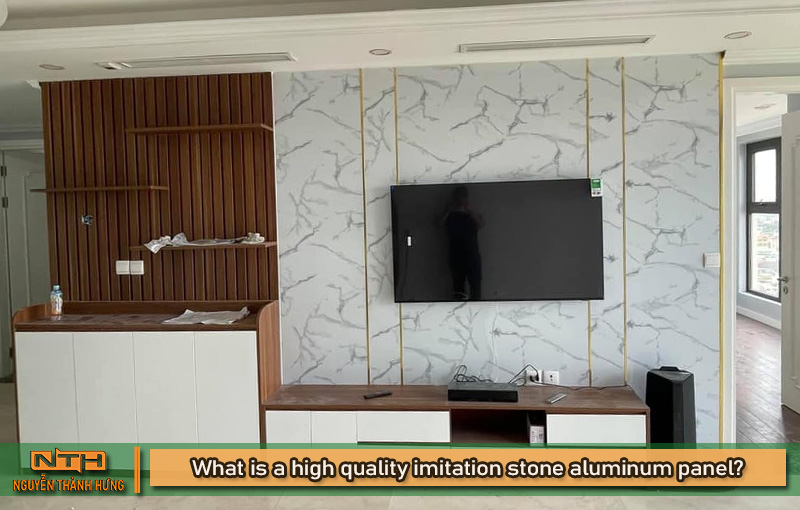
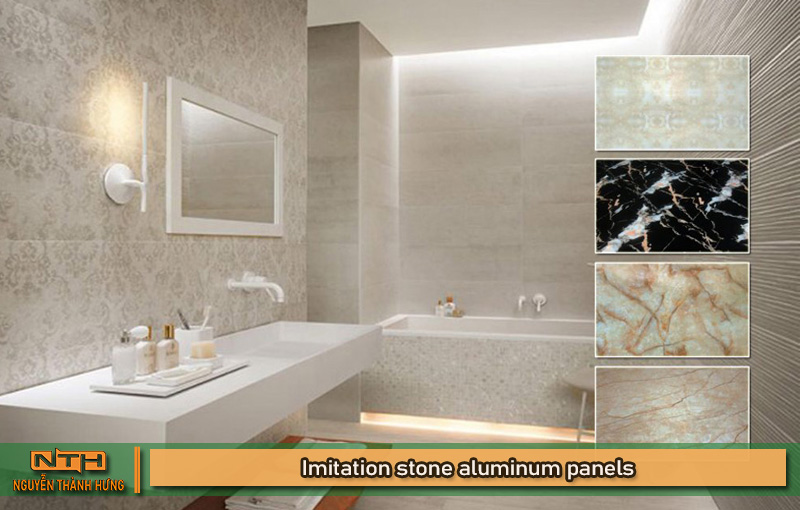
A faux stone aluminum composite panel is a construction material designed to mimic the patterns of natural stone with over 90% similarity. Made from aluminum alloy, faux stone aluminum panels are widely used in construction projects as surface cladding materials.
Faux stone aluminum panels are not just decorative materials but also offer functional benefits. With the ability to replicate the natural patterns and colors of stone, this product helps create focal points for modern architectural projects. Additionally, compared to natural stone, faux stone aluminum panels are much lighter, easier to install and transport, and less expensive to maintain.
With superior aesthetic and technical features, faux stone aluminum composite panels are not only a reasonable choice but also a way to bring aesthetic value and sustainability to modern architectural projects.
How is the structure of stone pattern aluminum composite panel?
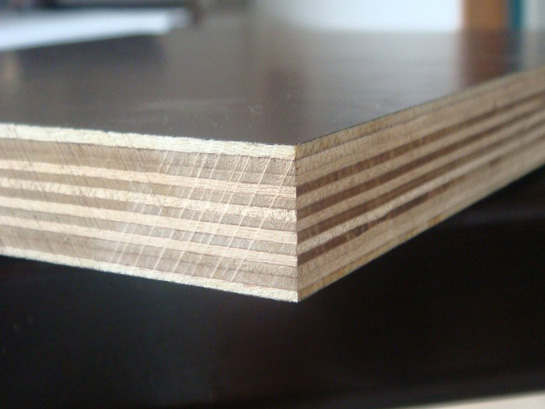
The stone pattern aluminum composite panel is composed of four different layers, each playing a crucial role in ensuring the properties and performance of the final product:
1. Base Layer
This bottom layer of the panel is primarily made of high-hardness plastic. It provides structural support and bears the main load of the stone pattern aluminum panel, effectively preventing warping. Additionally, this layer contributes to increasing the overall weight of the panel.
2. Pure Layer
This layer bonds the other layers together, ensuring the product's durability and longevity. Moreover, the pure layer significantly enhances the aesthetic appeal of the stone pattern aluminum panel, thereby increasing its aesthetic value.
3. Stone Pattern Layer
Designed to replicate natural stone patterns on the aluminum panel surface, this layer uses modern technology to achieve up to 95% likeness to natural stone patterns. It meets diverse market demands and offers consumers a wide range of choices.
4. Protective Layer
This layer plays a crucial role in protecting the entire panel and the wall surface from environmental and human impacts. Furthermore, the protective layer enhances moisture resistance and waterproofing of the stone pattern aluminum panel, thereby increasing its lifespan and effectiveness.
»» In summary, the tight integration of these layers not only provides superior mechanical properties but also meets aesthetic and environmental protection requirements, making the stone pattern aluminum composite panel an excellent choice for modern interior and exterior cladding and decoration.
What are the pros and cons of stone-like aluminum composite panels?
Stone-like aluminum composite panels offer a notable alternative solution in interior and exterior decoration due to their ability to simulate natural stone, with various advantages and disadvantages worth noting. Below are details regarding the strengths and weaknesses of this material:
1. Advantages of stone-like aluminum composite panels
- High aesthetic value: Manufactured using modern technology, these panels replicate natural stone up to 95%, creating a luxurious and modern space.
- Mold and moisture resistance: With a 4-layer structure and UV protective layer, stone-like aluminum composite panels resist moisture, mold, and toxins well, increasing surface longevity.
- Easy to clean: The smooth surface of these panels allows for quick and convenient cleaning.
- High durability: The protective layer ensures long-term use, up to 30 years, protecting against moisture and mold.
- Versatile application: Stone-like aluminum composite panels can be applied in various locations such as house walls, staircases, and cafes, available in numerous designs and sizes.
- Soundproof, thermal insulation, and fire safety: These features make them suitable for modern and large-scale projects.
2. Disadvantages of stone-like aluminum composite panels
- Difficult installation: Installing these panels requires high technical skill and professional technology to ensure accurate and aesthetic results.
- Prone to dust accumulation: Over time, stone-like aluminum composite panels may accumulate dust, requiring regular cleaning to maintain their initial aesthetic appeal.
Comparison of stone pattern aluminum composite panel and faux stone plastic panel
Stone pattern aluminum composite panels and faux stone plastic panels are two common materials in the construction and interior decoration industries today. Despite their different uses and compositions, both have their own advantages and are widely used in architectural projects.
1. Similarities between stone pattern aluminum composite panel and faux stone plastic panel
- Recycling and environmental protection: Both stone pattern aluminum composite panels and faux stone plastic panels are generally highly recyclable, helping to minimize environmental impact compared to other materials like natural stone or iron and steel. This aligns with the growing societal focus on environmental protection.
- Aesthetic value: Both materials are designed with natural stone patterns, providing a natural and elegant look to construction and interior projects. Through modern printing and simulation technologies, both stone pattern aluminum composite panels and faux stone plastic panels can authentically replicate the characteristics of natural stone without using real stone.
2. Unique features of stone pattern aluminum composite panel and faux stone plastic panel
a. Stone pattern aluminum composite panel
Stone pattern aluminum composite panels are composite materials consisting of aluminum layers and synthetic stone particles, with notable characteristics including:
- Warp resistance and oxidation resistance: Constructed with special properties, stone pattern aluminum composite panels resist warping and oxidation well, preserving the appearance and durability of the material.
- High durability: Compared to other materials, stone pattern aluminum composite panels offer higher durability, extending lifespan and reducing maintenance costs.
- Heat resistance: Can withstand temperatures from -50 to 800 degrees Celsius, suitable for various applications in fluctuating temperature environments.
- High hardness and versatility: Achieving 3H hardness on the standard hardness scale, stone pattern aluminum composite panels can be widely used from stair cladding to kitchen wall panels and living spaces, especially suitable for modern design.
b. Faux stone plastic panel
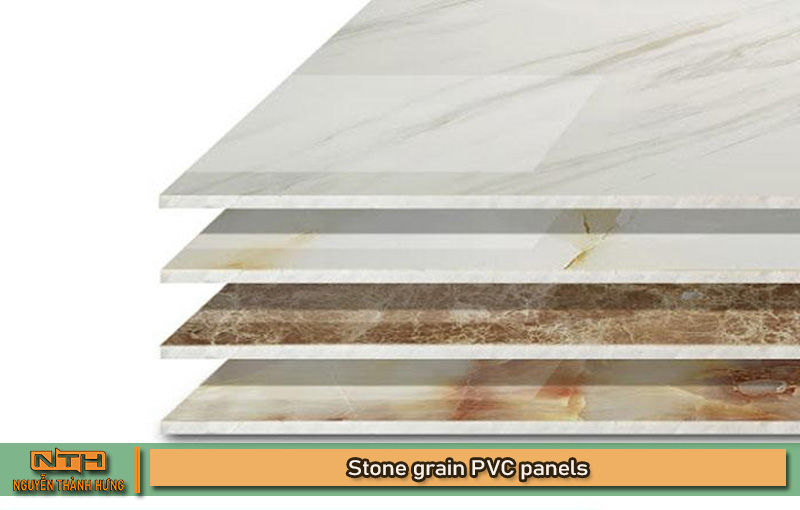
Faux stone plastic panels, mainly made from PVC plastic, offer the following advantages and characteristics:
- Wide application: Suitable for wall cladding in living rooms, bedrooms, kitchen cabinets, elevators, etc.
- Safety and environmental friendliness: With PVC plastic as the main material, faux stone plastic panels are user-safe and environmentally friendly.
- Waterproof and soundproof: Faux stone plastic panels have good waterproof and soundproof properties, suitable for areas with high humidity such as bathrooms.
- High durability and aesthetics: They are thermally insulating, fire-resistant, and waterproof, providing aesthetically pleasing spaces with sharp and delicate patterns.
- Cost-effectiveness: With low construction costs and reasonable pricing, faux stone plastic panels are an economical choice for many spaces.
»» In summary, each material, stone pattern aluminum composite panels and faux stone plastic panels, has its own advantages and limitations. The choice depends on the specific requirements of each space and its intended use. Consumers should carefully consider these factors to make the most suitable decision according to their needs and purposes.
Criteria for evaluating high-quality stone-patterned aluminum composite panels
Evaluating the quality of stone-patterned aluminum composite panels (ACP) is a complex process that requires consideration of multiple important factors. Here are five main criteria to determine if a stone-patterned ACP meets high-quality standards:
1. High durability
Durability is a top consideration when selecting any building material, and stone-patterned ACPs are no exception. A high-quality ACP must ensure longevity, without deformation, cracking, or color fading due to environmental impact. Therefore, purchasing from reputable suppliers is crucial to ensure the product's long lifespan.
2. Aesthetic appeal
Aesthetic appeal is an essential factor in evaluating stone-patterned ACPs. Sharp, sophisticated patterns and textures on the ACP surface not only bring luxurious beauty but also create a strong impression in the spaces where they are used. A high-quality stone-patterned ACP must have true-to-life colors and uniform patterns, without smudging or fading over time.
3. Moisture and mold resistance
Moisture and mold resistance is another important criterion. Stone-patterned ACPs often consist of multiple layers, including a UV protective layer that helps prevent moisture infiltration and mold growth. This feature helps maintain the aesthetic and durability of the product in humid environments, particularly in areas such as bathrooms or kitchens.
4. Health safety
Health safety for users is a criterion that cannot be overlooked when choosing stone-patterned ACPs. The material must be made from clean components, free from harmful substances, and environmentally friendly. This not only protects users' health but also contributes to preserving the surrounding environment.
5. Load-bearing capacity
Stone-patterned ACPs are used in various areas, including places subject to significant impact, such as floors. Therefore, the load-bearing capacity of the ACP is an important criterion. A high-quality stone-patterned ACP must have good load-bearing capacity, without warping or cracking under strong impact.
»» In summary: To ensure that you are selecting a high-quality stone-patterned ACP, carefully consider the above criteria. Investing in a quality product not only brings high aesthetic value but also ensures durability and safety for your living space.
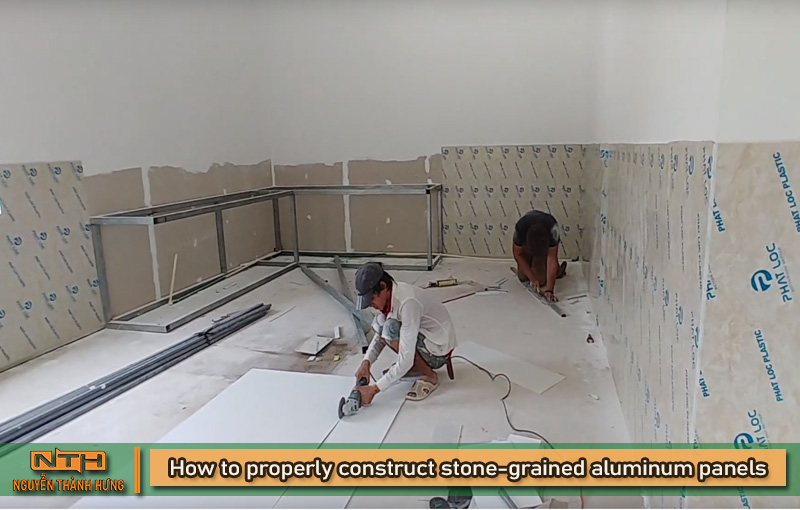
Correct installation techniques for stone-patterned ACP
Installing stone-patterned ACP is a meticulous process that requires high technical skills to ensure the quality and aesthetics of the project. To achieve the best results, the installation process should follow these main steps:
1. Welding the iron frame
Welding the iron frame is the first and most important step in the installation process of stone-patterned ACP. The iron frame needs to be welded securely to ensure stability and safety for the entire project. A sturdy iron frame helps the ACP to be firmly fixed, enduring external environmental impacts.
2. Grooving and installation
After completing the iron frame, the next step is grooving. This involves grooving the iron frame to create positions for the screws. The grooving process needs to be done carefully and accurately to ensure that the ACPs are installed in the correct position, without being misaligned or warped.
3. Removing the protective film
After the ACPs have been firmly attached to the iron frame, remove the protective film from the ACP surface. This should be done gently to avoid scratching or damaging the ACP surface. Once the protective film is removed, the ACPs reveal a beautiful, shiny surface, ready for use.
4. Notes on installing stone-patterned ACP
In addition to following the above technical steps, to achieve the highest efficiency in installing stone-patterned ACP, choose a reputable and experienced contractor. A professional contractor will ensure that the process is carried out correctly and provide optimal solutions for each specific project. When selecting a contractor, refer to feedback from previous clients and review the projects the contractor has completed to ensure you are choosing a reliable partner.
»» In summary: Installing stone-patterned ACP not only requires carefulness and high technical skills but also professionalism from preparation to completion. Adhering to the correct installation steps and choosing a reputable contractor will help your project achieve the best quality, being both durable and aesthetically pleasing.