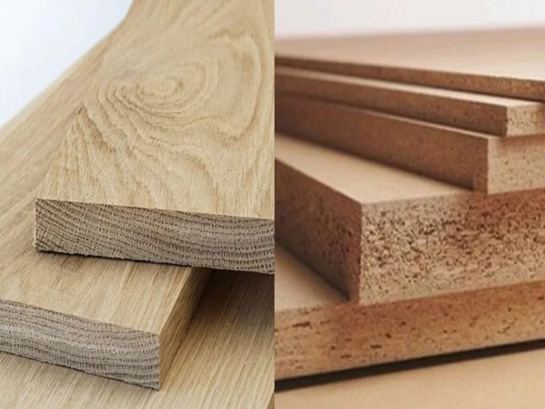
Wood veneer plywood is a popular building material not only in Vietnam but globally. However, many still misunderstand its nature, often simplifying it as just another type of wood. This article aims to provide a detailed and comprehensive overview of wood veneer plywood, covering its characteristics, manufacturing process, and practical applications in daily life.
What is wood veneer plywood?
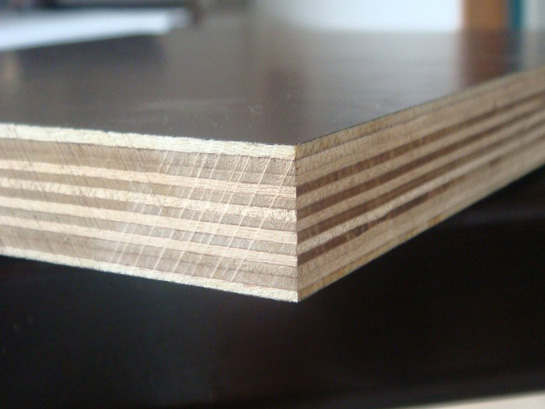
Wood veneer plywood, also known as veneer plywood, is created by bonding thin layers of wood veneers together under high temperature and pressure. Each veneer layer, typically 0.6-1mm thick, is stacked crosswise to increase strength and stability.
Wood veneer plywood usually consists of at least three veneer layers, with the outer layers often adorned with natural or engineered wood veneers for aesthetic appeal. The type of wood used for the veneer layers can vary, including pine, oak, rubberwood, or other types depending on the final product requirements.
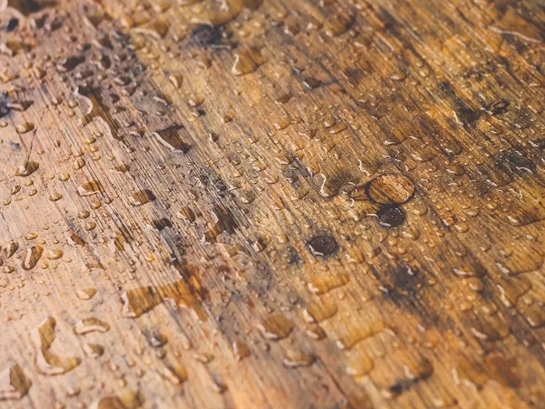
Characterized by high durability, excellent load-bearing capacity, and minimal deformation compared to solid wood, wood veneer plywood is particularly resistant to warping, shrinking, and cracking due to changes in humidity and temperature.
Distinguishing wood veneer plywood from other types of engineered wood
Many consumers often confuse plywood with other types of engineered wood, each serving different purposes and having distinct characteristics. Below is a detailed look at common types of engineered wood available in today's market:
1. Plywood
Plywood is made from multiple thin layers of wood tightly pressed together with adhesive. The layers are stacked crosswise to enhance durability and resist warping. Plywood is commonly used in applications requiring high strength, such as flooring, walls, and furniture.
2. MFC (Melamine Faced Chipboard)
MFC is chipboard covered with a layer of Melamine resin. The core consists of compressed wood chips, providing a smooth, scratch-resistant surface suitable for office furniture, kitchen cabinets, and interior decoration.
3. MDF (Medium Density Fiberboard)
MDF is made from wood fibers, finely ground and mixed with adhesive, then pressed under high pressure. It has a smooth surface, easy to machine and paint, ideal for furniture production and interior decoration.
4. HDF (High Density Fiberboard)
Similar to MDF but with higher fiber density, HDF is tougher and more durable. HDF is commonly used where high strength is required, such as flooring and high-load surfaces.
5. CDF (Compact Density Fiberboard)
CDF features a moisture-resistant black core, suitable for wet environments like kitchens, bathrooms, and outdoor areas. It offers high mechanical strength, resistance to insects, and good impact resistance.
6. WPB (Water Proof Board)
WPB is a resin-based board offering excellent water and mold resistance, ideal for outdoor applications or areas exposed to moisture.
»» In summary, each type of engineered wood has its own characteristics and advantages, suitable for different uses. Understanding and choosing the right type of wood will optimize the functionality and lifespan of products, while saving costs and maintenance time.
Manufacturing process of wood veneer plywood
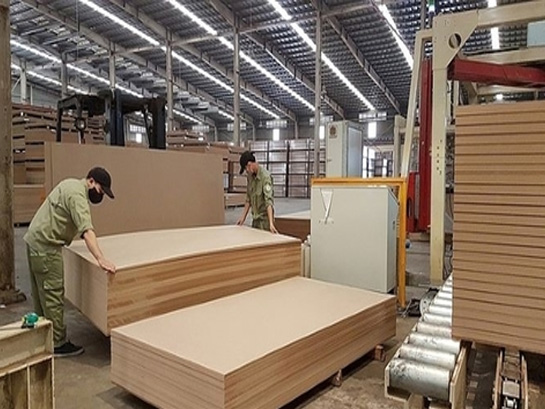
The manufacturing process of wood veneer plywood is a complex and intricate procedure that demands meticulous attention to detail in each step to produce high-quality products. Below are the detailed steps involved in this process to help you better understand the technology and techniques applied:
1. Raw material preparation
The production process begins with the selection of wood materials. The wood used must be of high quality, with few knots and defects to ensure durability and aesthetic appeal of the final product. This careful selection enhances uniformity and minimizes surface imperfections in the plywood.
2. Wood peeling and veneer cutting
Once the raw materials are ready, the wood is peeled into thin veneer layers. This stage requires modern machinery to ensure uniform thickness of the veneer layers, directly influencing the quality and durability of the plywood. The veneer layers are then cut to suitable sizes in preparation for the gluing process.
3. Gluing
Gluing is one of the most critical steps in the plywood manufacturing process. Veneer layers are coated with adhesive and stacked alternately. The adhesive application must be carefully controlled to ensure even distribution, avoiding issues such as insufficient or excessive glue that could affect the bonding quality.
4. Hot pressing
The veneer layers, now glued, are then fed into a hot press machine. Under high temperature and pressure, the adhesive melts and bonds the veneer layers together. Tight control of temperature and pressure during hot pressing ensures strong bonding and durability of the plywood. This stage significantly determines the structural quality of the plywood.
5. Surface finishing
Finally, the plywood surface undergoes sanding to achieve smoothness, followed by the application of a wood veneer layer for aesthetic enhancement. The wood veneer not only enhances natural beauty but also protects the surface from external impacts. A protective coating is applied lastly to enhance durability and water resistance of the plywood.
»» In summary, the manufacturing process of wood veneer plywood involves a series of meticulous steps that require perfect integration of modern machinery and advanced techniques. Each step plays a crucial role in producing the final product that meets high-quality standards, providing superior aesthetic value and durability for end users.
Types of popular wood veneer plywood nowadays
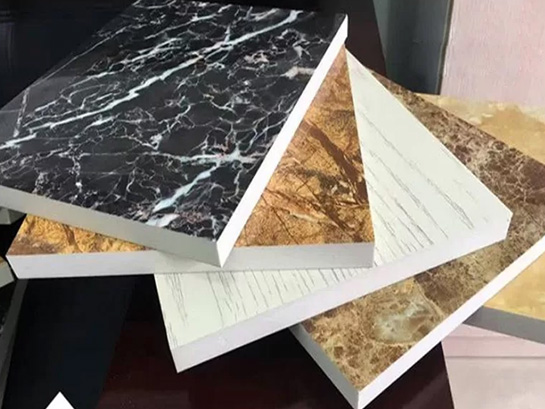
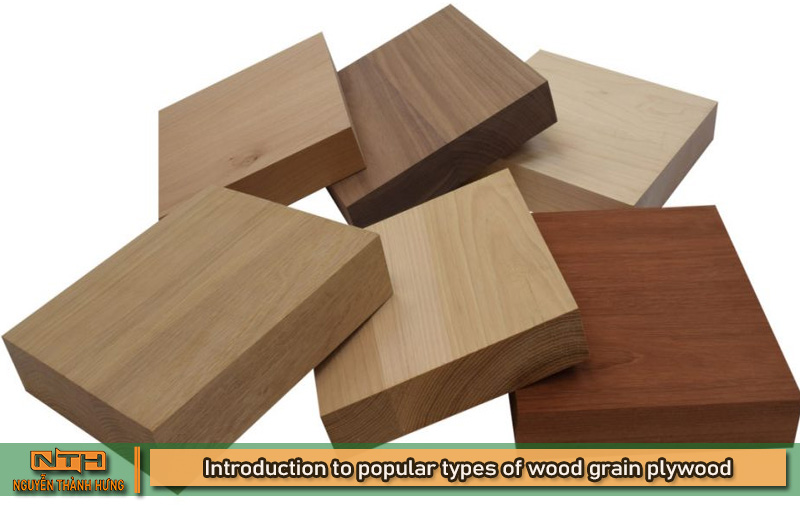
Wood veneer plywood is one of the favored interior materials appreciated for its aesthetic appeal and durability. Currently, there are various types of veneer plywood on the market, each with distinct characteristics and advantages. Below are some common types of wood veneer plywood available today:
1. Beech wood veneer plywood
- Standard size: 1,220mm x 2,440mm
- Surface veneer: Beech wood
- Core layer: Hardwood (such as maple, birch, rubberwood, etc.)
- Adhesive: MR-Urea Formaldehyde
- Thickness: 3mm, 5mm, 7mm, 9mm, 12mm, 15mm, 18mm, 25mm
- Tolerance: 3%
- Characteristics: Resistant to moisture and cold water, but not suitable for boiling water and susceptible to pests if not properly preserved.
Beech wood veneer plywood is highly regarded for its natural beauty and bright color, suitable for a variety of interior styles from modern to classic. With a surface layer made of beech wood, this type of plywood provides warmth and elegance. The hardwood core enhances its durability and impact resistance. However, it is not suitable for high temperatures and requires proper preservation to prevent pest infestation.
2. Walnut wood veneer plywood
- Standard size: 1,220mm x 2,440mm
- Surface veneer: Walnut wood
- Core layer: Hardwood (such as maple, birch, rubberwood, etc.)
- Adhesive: MR-Urea Formaldehyde
- Thickness: 3mm, 5mm, 7mm, 9mm, 12mm, 15mm, 18mm, 25mm
- Tolerance: 3%
- Characteristics: Resistant to moisture and cold water, not suitable for boiling water, and pest resistant when properly preserved.
Walnut wood veneer plywood is renowned for its rich dark brown color and attractive wood grain, imparting a sophisticated and luxurious look to interior spaces. It not only enhances aesthetic appeal but also offers durability suitable for high-end furniture like tables, chairs, and cabinets. Similar to other types of plywood, it is not resistant to boiling water and requires careful preservation to prevent pest infestation.
3. White oak wood veneer plywood
- Standard size: 1,220mm x 2,440mm
- Surface veneer: White oak wood
- Core layer: Hardwood (such as maple, birch, rubberwood, etc.)
- Adhesive: MR-Urea Formaldehyde
- Thickness: 3mm, 5mm, 7mm, 9mm, 12mm, 15mm, 18mm, 25mm
- Tolerance: ± 3%
- Characteristics: Resistant to moisture and cold water, not suitable for boiling water, and pest resistant when properly preserved.
White oak wood veneer plywood features distinct wood grain and a light color, suitable for modern and youthful interior spaces. It is commonly used in applications like flooring, kitchen cabinets, and other furniture pieces. The hardwood core ensures stability and durability. However, like other plywood types, it is not suitable for high temperatures and requires proper preservation to prevent pest infestation.
4. Ebony wood veneer plywood
- Standard size: 1,220mm x 2,440mm
- Surface veneer: Ebony wood
- Core layer: Hardwood (such as maple, birch, rubberwood, etc.)
- Adhesive: MR-Urea Formaldehyde
- Thickness: 3mm, 5mm, 7mm, 9mm, 12mm, 15mm, 18mm, 25mm
- Tolerance: 3%
- Characteristics: Resistant to moisture and cold water, not suitable for boiling water, and pest resistant when properly preserved.
Ebony wood veneer plywood showcases beautiful wood grain and warm tones, ideal for sturdy and aesthetically pleasing furniture. The hardwood core enhances durability and load-bearing capacity. However, this product is also not suitable for high temperatures and requires proper preservation to prevent pest infestation.
»» In summary, each type of wood veneer plywood has its own strengths and weaknesses, catering to different needs and purposes. Choosing the right type of plywood can enhance both the aesthetic appeal and durability of interior furnishings while meeting necessary technical requirements.
Applications of wood veneer plywood in daily life
Thanks to its outstanding properties of durability, aesthetic appeal, and versatile applications, wood veneer plywood is increasingly chosen for various uses in daily life. Below are specific applications of wood veneer plywood:
1. Applications in construction
In the construction industry, wood veneer plywood plays a crucial role in creating quality and sustainable structures. Specific applications include:
- Flooring: Wood veneer plywood is used as flooring due to its high durability and resistance to environmental factors such as moisture and temperature, ensuring not only longevity but also preserving the natural beauty of wood.
- Partitions: Using wood veneer plywood for partitions enhances the aesthetic appeal of interior spaces while providing robustness and good sound insulation.
- Ceilings: Wood veneer plywood is also applied in ceiling installations, adding a touch of elegance and warmth to living spaces. Its lightweight nature and ease of installation reduce construction time and costs.
2. Applications in furniture industry
The furniture industry extensively utilizes wood veneer plywood for its high aesthetic value and practicality. Common applications include:
- Tables and chairs: Wood veneer plywood is often used to craft tables and chairs due to the natural beauty of wood veneer and its high durability, offering a luxurious and modern feel.
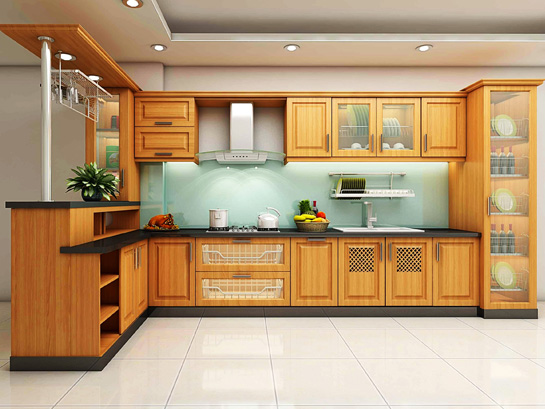
- Cabinets and shelves: Ideal for cabinets and shelves, wood veneer plywood is known for its strength and ease of fabrication, providing not only beauty but also durability and practicality.
- Beds: Beds made from wood veneer plywood are not only sturdy but also bring natural beauty and comfort to users.
3. Applications in household goods manufacturing
Beyond construction and furniture, wood veneer plywood finds widespread use in manufacturing household goods, optimizing living spaces and enhancing convenience. Specific examples include:
- Bookshelves: Wood veneer plywood bookshelves are durable and aesthetically pleasing, contributing to tidy and modern living spaces.
- Shoe cabinets: Using wood veneer plywood for shoe cabinets improves shoe storage while adding aesthetic appeal to home interiors.
- Work desks: Wood veneer plywood desks provide durability and comfort, creating a professional and comfortable workspace for users.
»» In summary, due to its superior properties and high applicability, wood veneer plywood has become an indispensable material in modern life, enhancing living standards and creating beautiful and functional living spaces.